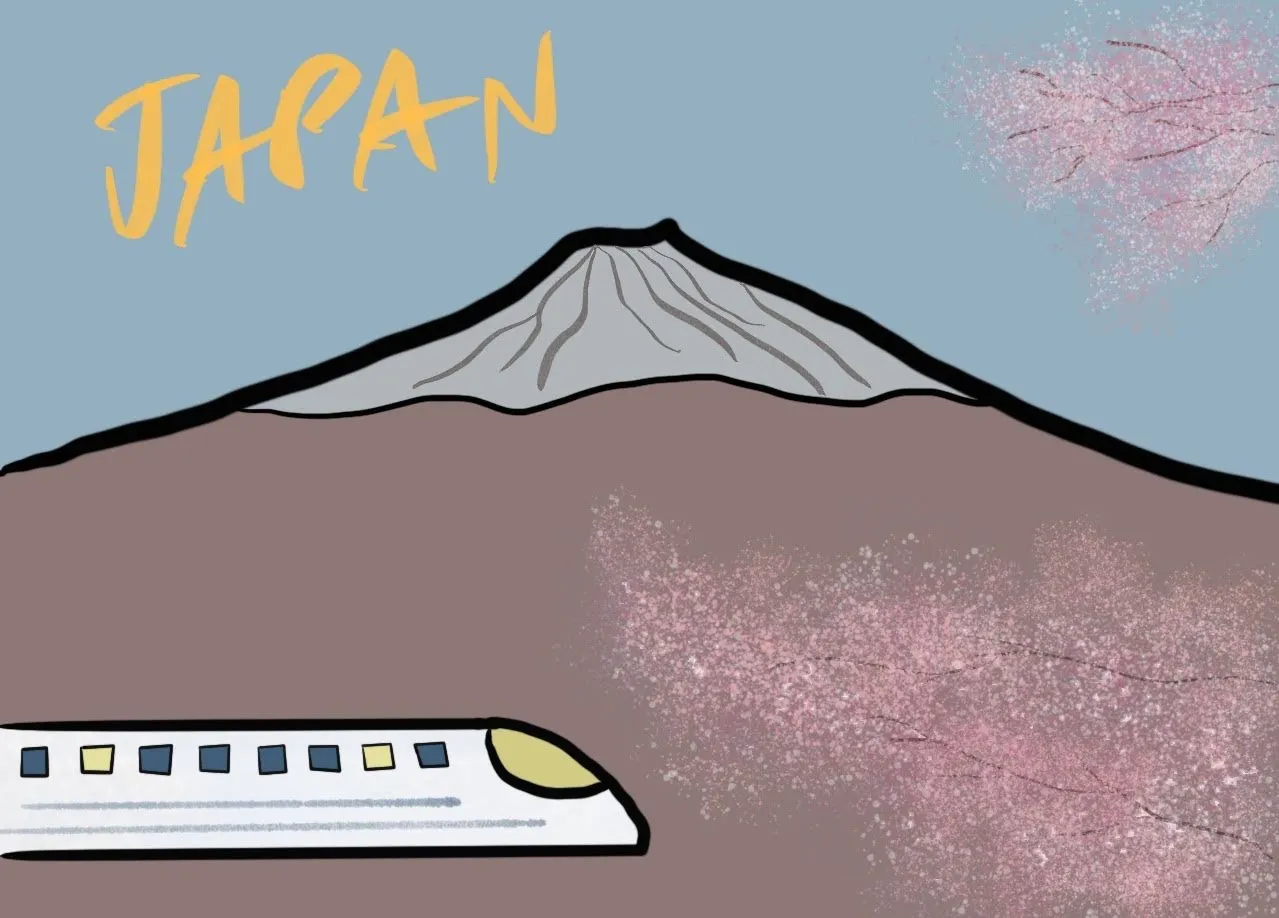
Japan Itinerary: Tokyo, Osaka, Kyoto, Hiroshima
Japan is one of my favorite countries to travel to; I've been to Japan three times now and have explored all over! It's safe for women, and there's so much to do. As I get older, I prioritize slower travel and safer countries. What kind of Shikoku dog owner would I be if I didn't get to know her culture?
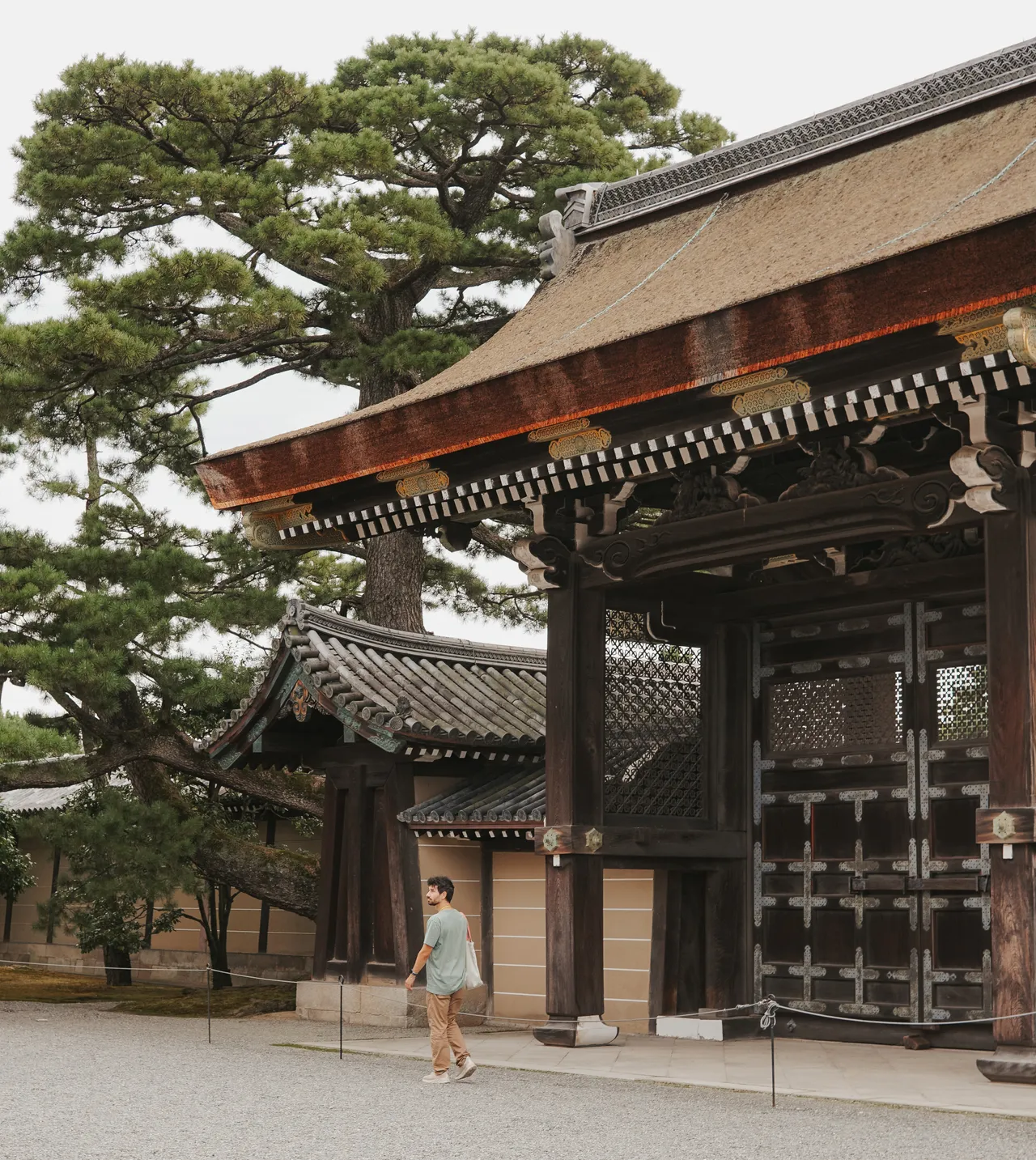
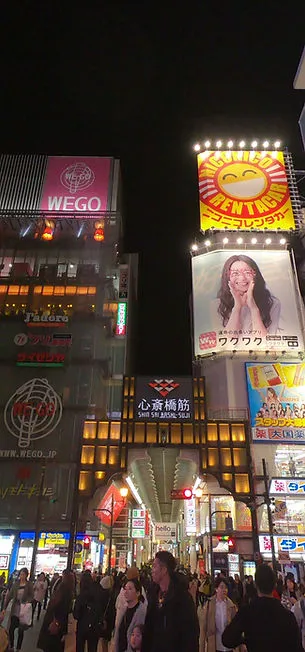
If this is your first time, then you should visit Kyoto and Tokyo. I would say you need at least 1 week, ideally 2, to do both. If you have 2 weeks, then throw in Osaka and/or a mountain town stay like Hakone or Lake Kawaguchi.
A week is not a lot of time, especially with jet lag, so you'll need to decide if you want to see as much as possible or take it slow. Over the years, and traveling with different people, it's important to set your expectations and choose your travel person accordingly. My boyfriend does not like moving around fast and prefers slower-paced travel without much of an itinerary, whereas I'm so used to having large Excel sheets and lists.
If you want to see as much as possible, then I'd suggest:
- 1-2 days at a Traditional Ryokan in Hakone or Lake Kawaguchi
- 3 days in Kyoto (Day trip to Osaka and Nara)
- 4 days in Tokyo (Day trip to Yokohama)
- 2 days in Hiroshima
Getting there
I recommend flying into Haneda airport if you can, because it's directly in Tokyo versus Narita, which is over an hour's drive away. I've been to Japan three times now, and the risk of a delayed arrival in Narita is not fun if you're traveling alone. I recently flew from Taipei to Tokyo Narita airport and my flight was delayed in Taiepi and instead of an arrival time of 530pm in Narita (which would have been totally reasonable) it became 1 am and my uber was over $200 to get to the city; it's not the end of the world but it sucked throwing away money on that. There is NO public transport after a certain time, sometime around 1030-11 PM.
Upon arrival, we found an information desk and got instructions to the JR Office. If you're activating your JR Pass when you arrive, then go ahead and ask the attendant to reserve a seat on the Narita Express so you can take that to Tokyo or wherever you're staying. Make sure you have some cash on hand or an ATM card to use because the train stations will require some cash to activate your local transit. You should also set up the Suica card/app on your phone.
Getting Around
Once you know where you're going, you can start to think about transportation. The JR Pass is a convenient way to get around, and it pays for itself if you're using it for travel between Kyoto and Tokyo and a few other small trips on the side (e.g., using the Narita Express when you arrive/depart for the airport), where applicable. When you're in Japan, you simply flash the pass to a station worker and they will let you through to your platform. This will not work at the majority of local stations in Tokyo, but you can buy a Suica card when you arrive and just load a ton of money (~$40) on it for the week. You must book the JR Pass in your home country through their site, you cannot buy it in Japan currently.
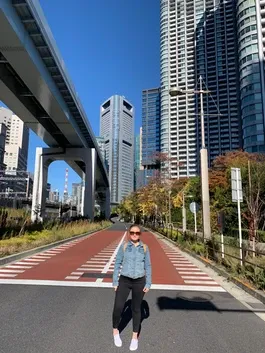
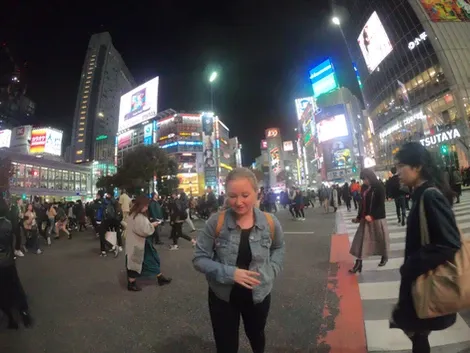
BUDGET
Here’s everything I booked in advance and roughly how much I spent from various trips:
- ✈️ Round-trip Flight to Tokyo: $700-$1300
- 🏨 Tokyo Hotel (4 nights): $700
- 🏯 Ryokan in Hakone (1 night): $375
- 🛏️ Kyoto Guesthouse (3 nights): $350
- 🚄 JR Pass: $400
The total is just over $3000. This doesn't include food, souvenirs, or train seat reservations, but it gives a solid baseline.
🧳 Packing Tip: I planned to travel with just a 40L backpack to simplify movement between cities and fit easily into Japan’s convenient coin lockers.
Where to Stay
Hotels are generally safe all over Japan. If you're looking for convenience and money-saving, then you can go to capsule hotels or, my personal favorite, APA hotels. I like the APA hotels because they're always located next to a train station, and they're very cheap (like $50/night) and easy to cancel and book last minute. They're my go-to for one-night stays, but they are pretty small and nothing fancy, so you'll want something larger if you're staying for a week or so. Not all APAs are created equal, so definitely read reviews, as always, before you book!
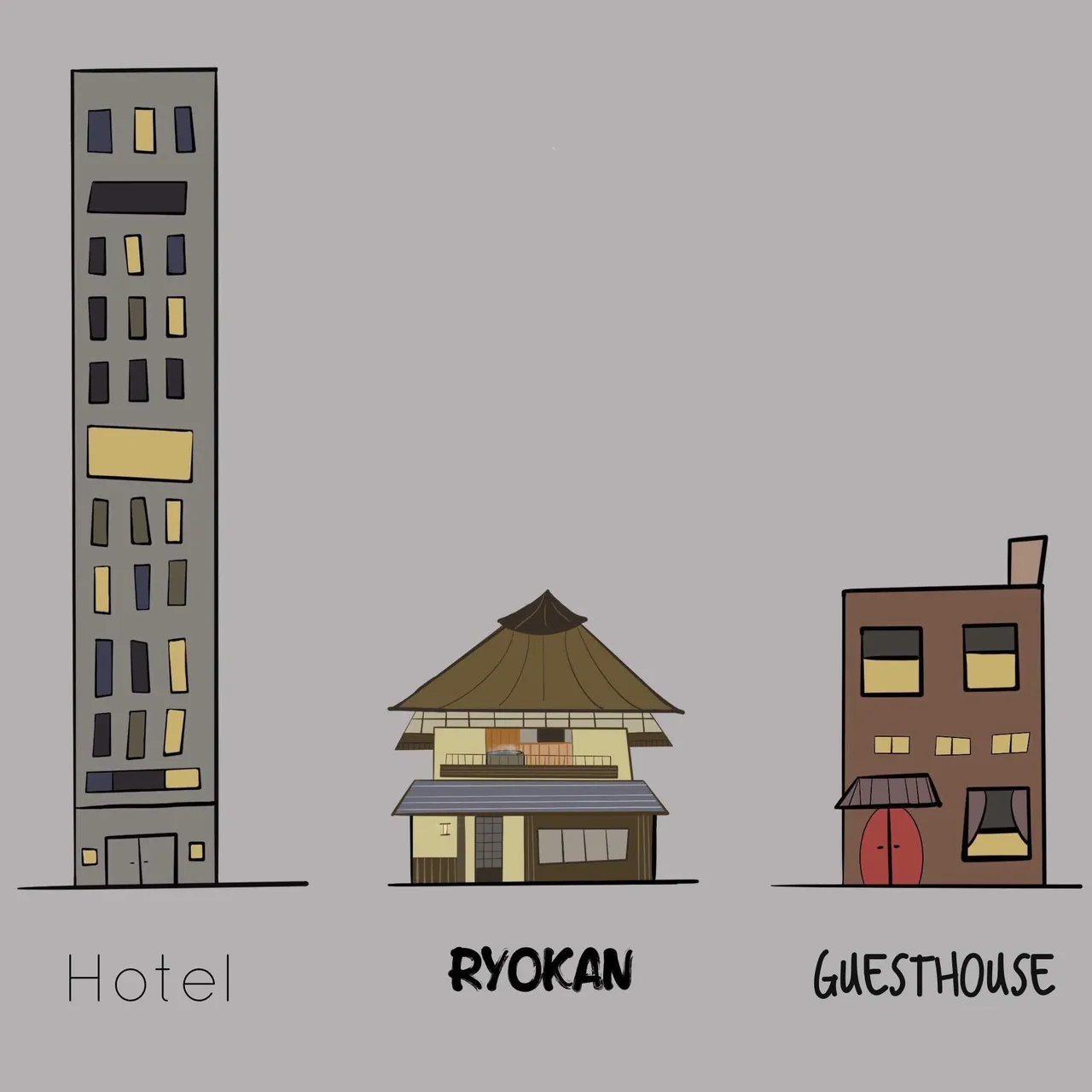
Once you decide on your cities and the number of days, you can begin searching for accommodations. For our trip, we stayed at a Ryokan in Hakone, a Guesthouse in Kyoto, and a Hotel in Tokyo. I would not recommend staying at an Airbnb in Japan. The rumor is that they do a lot of last-minute cancellations due to the strict standards that they are held to. Oftentimes, they will cancel to avoid getting shut down. Unless there are high reviews, I'd pass on Airbnb for Japan. Other accommodations are plentiful.
Kyoto
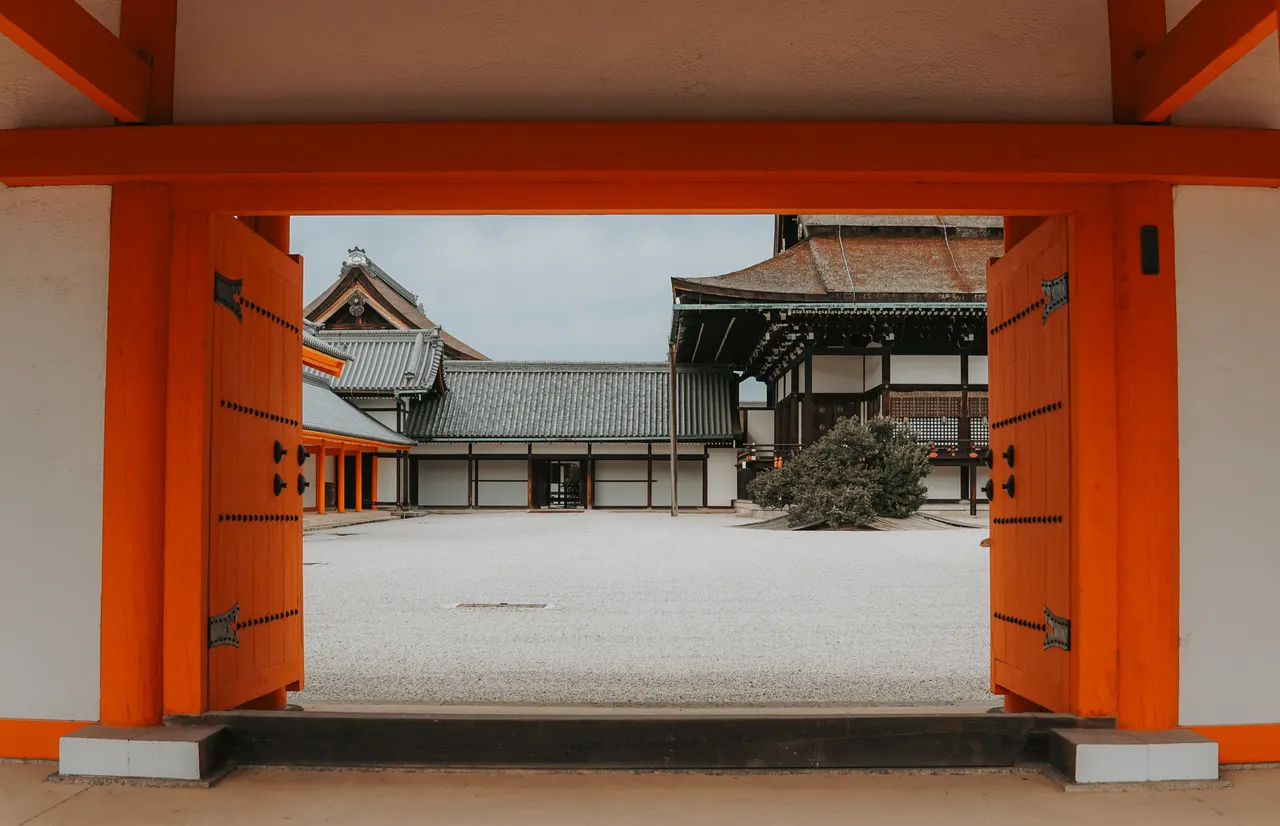
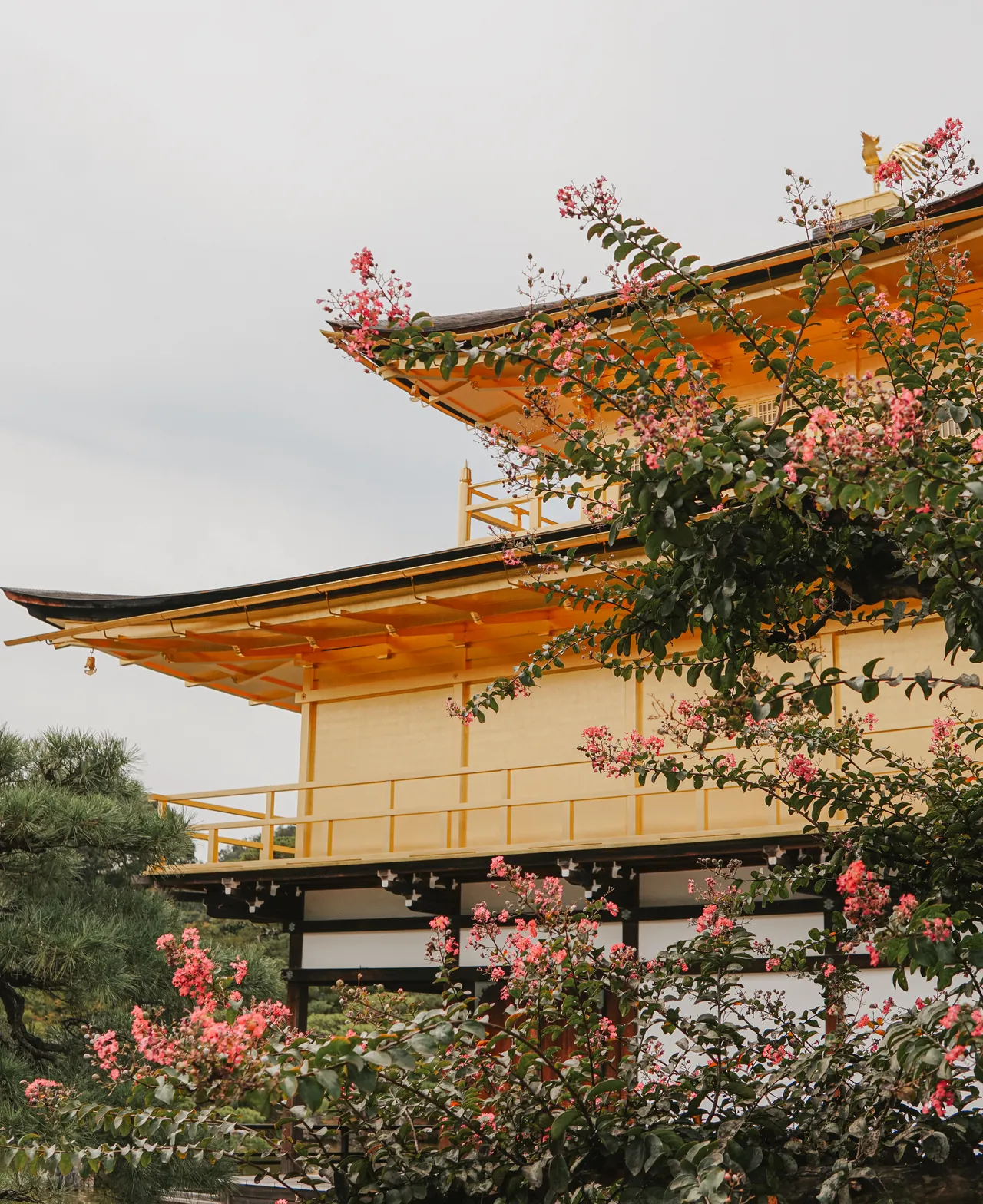
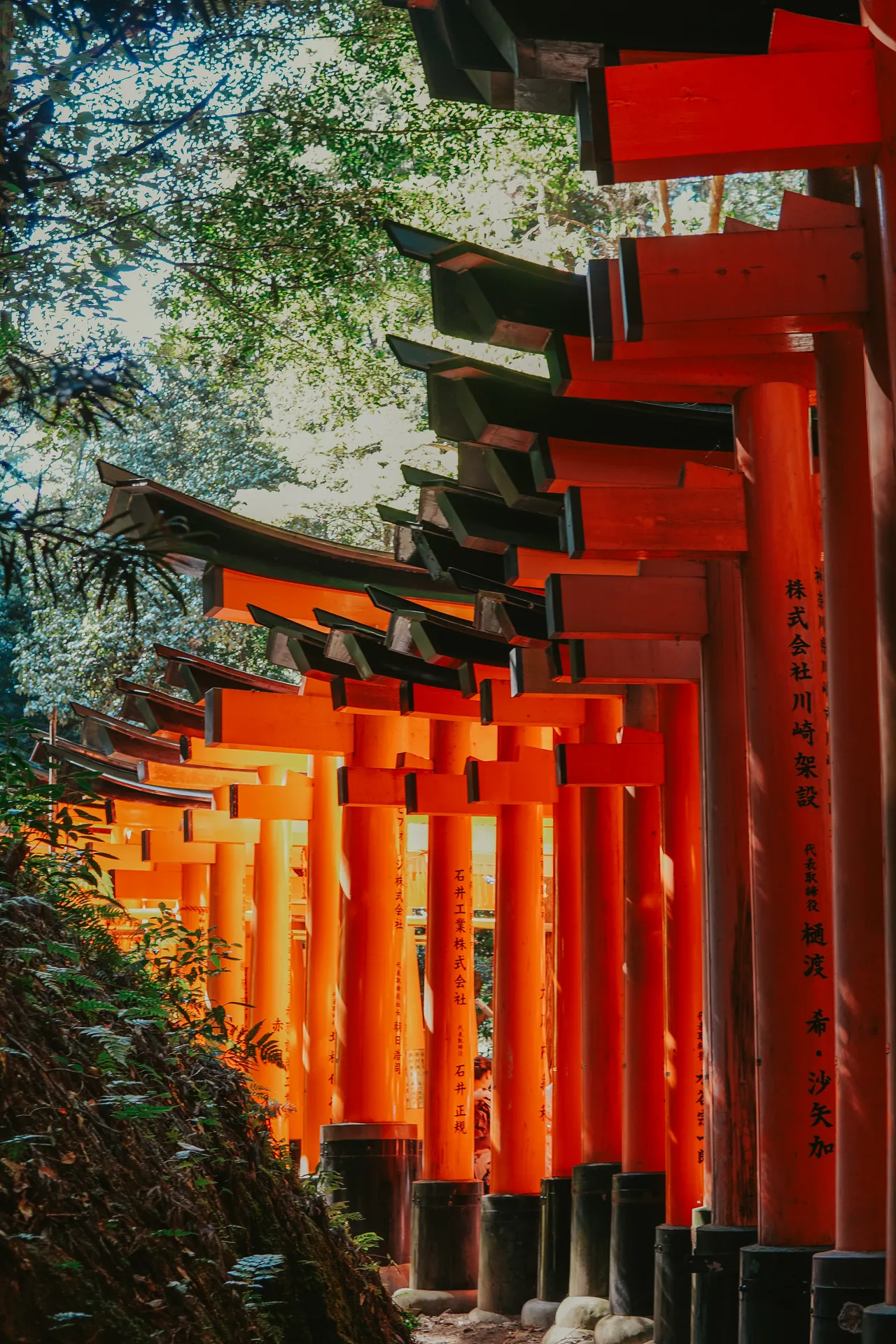
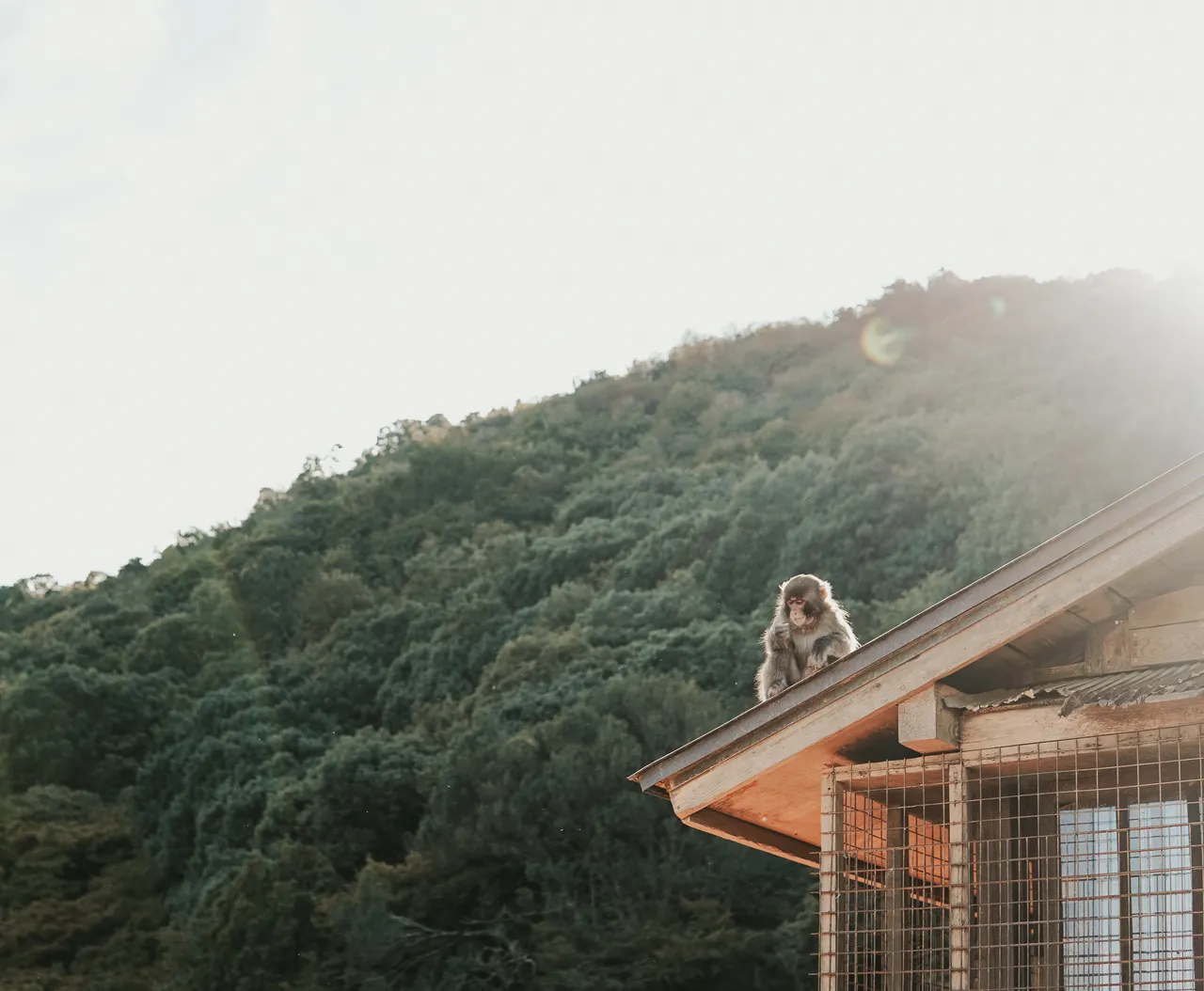
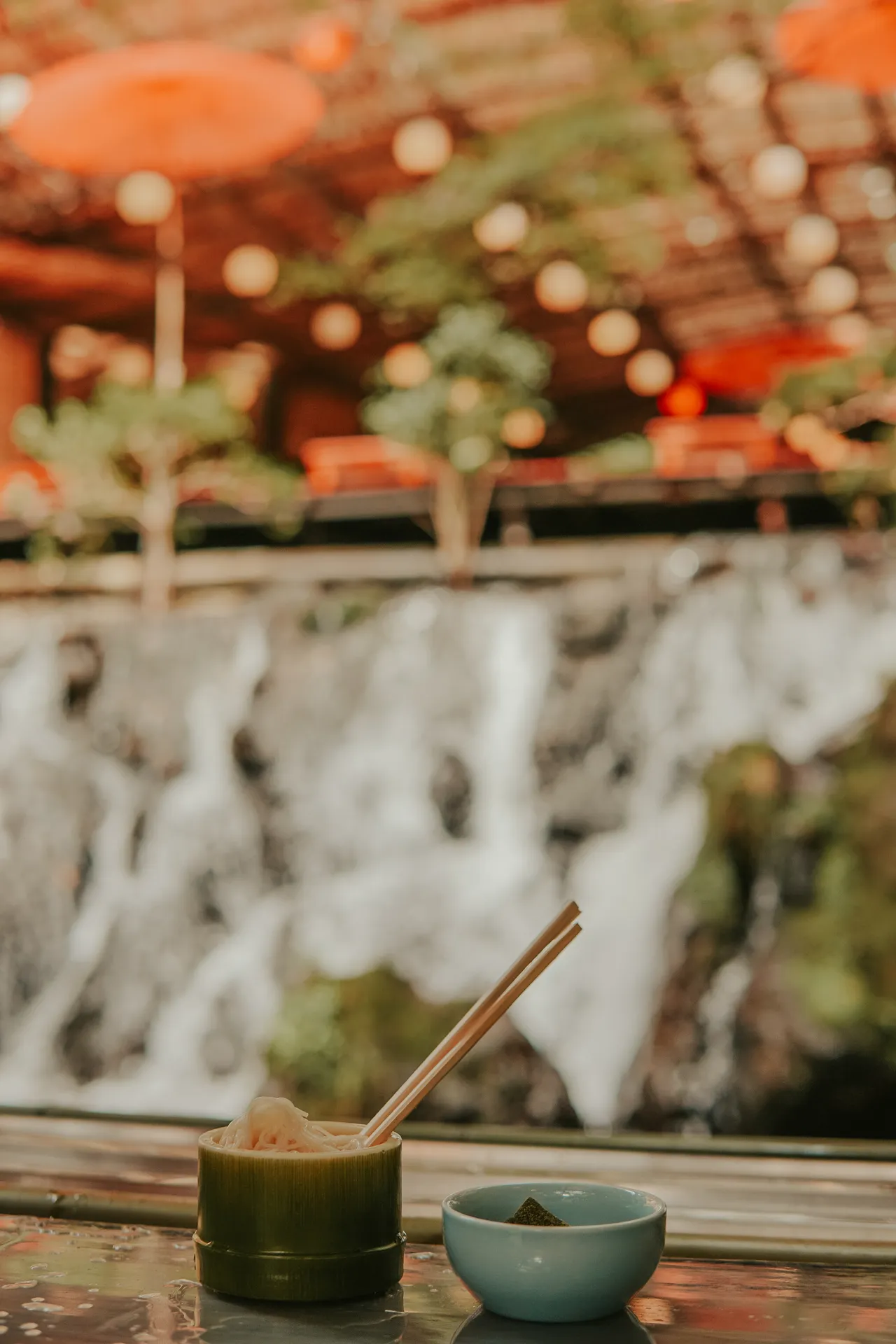
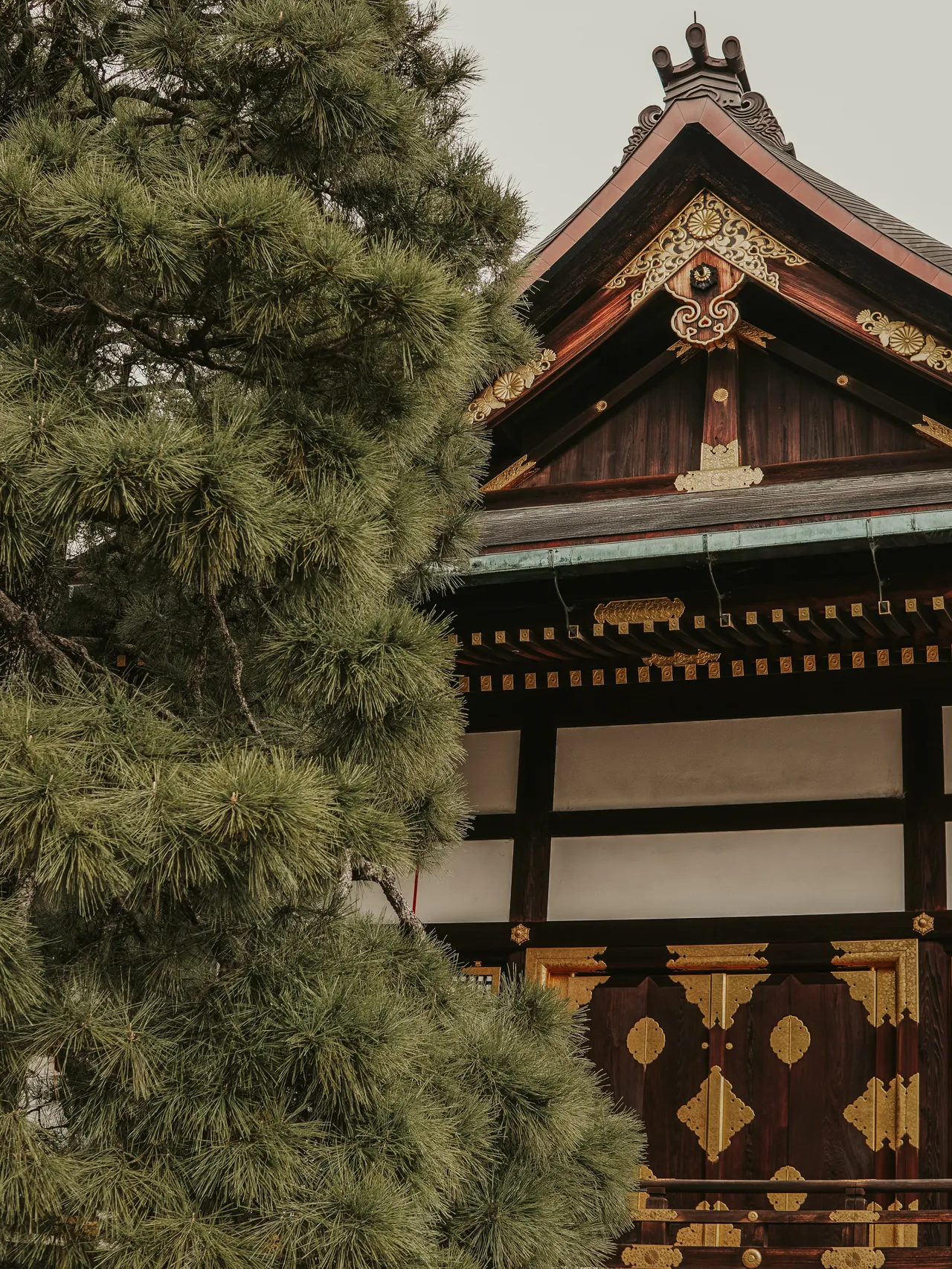
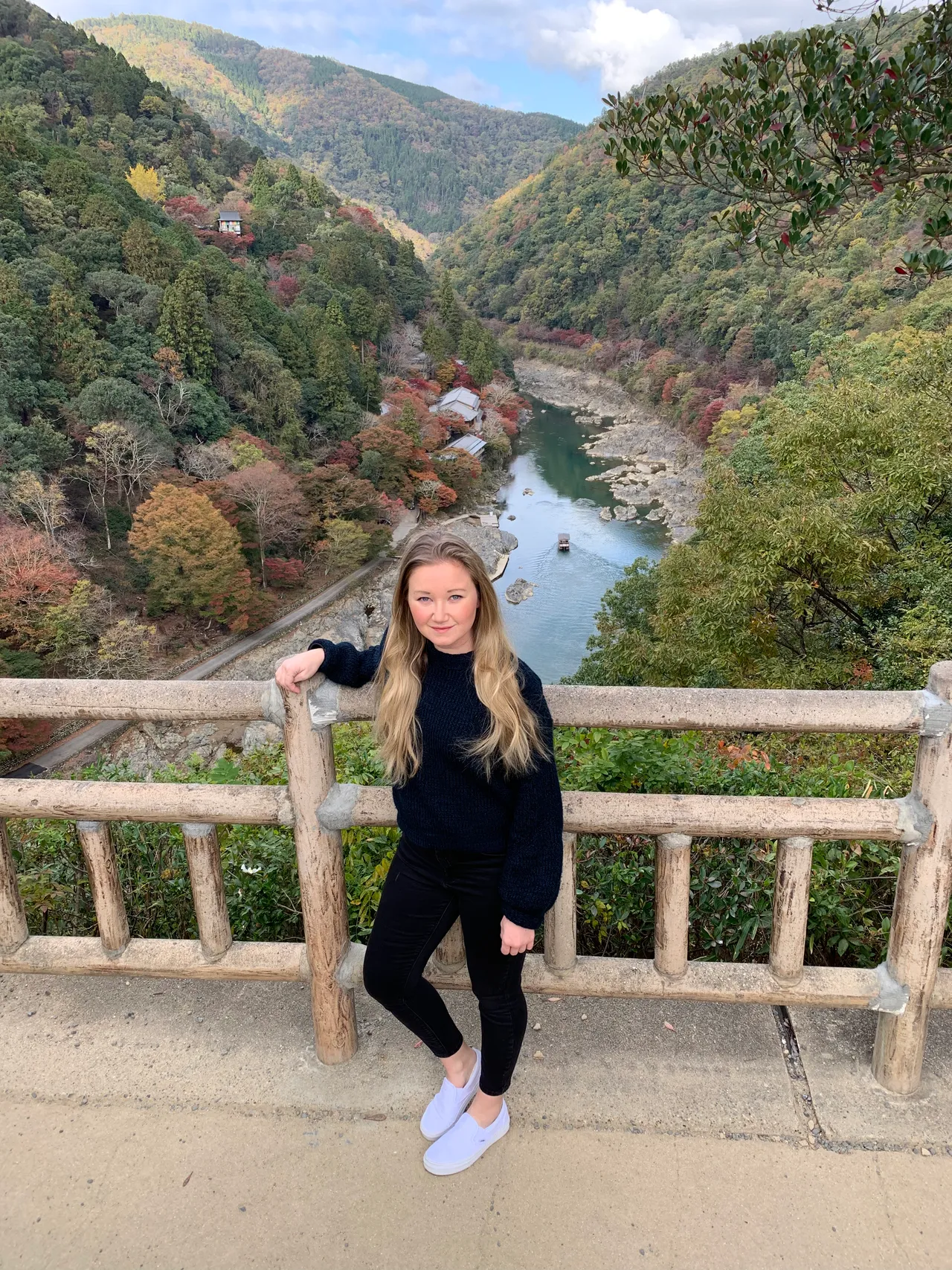
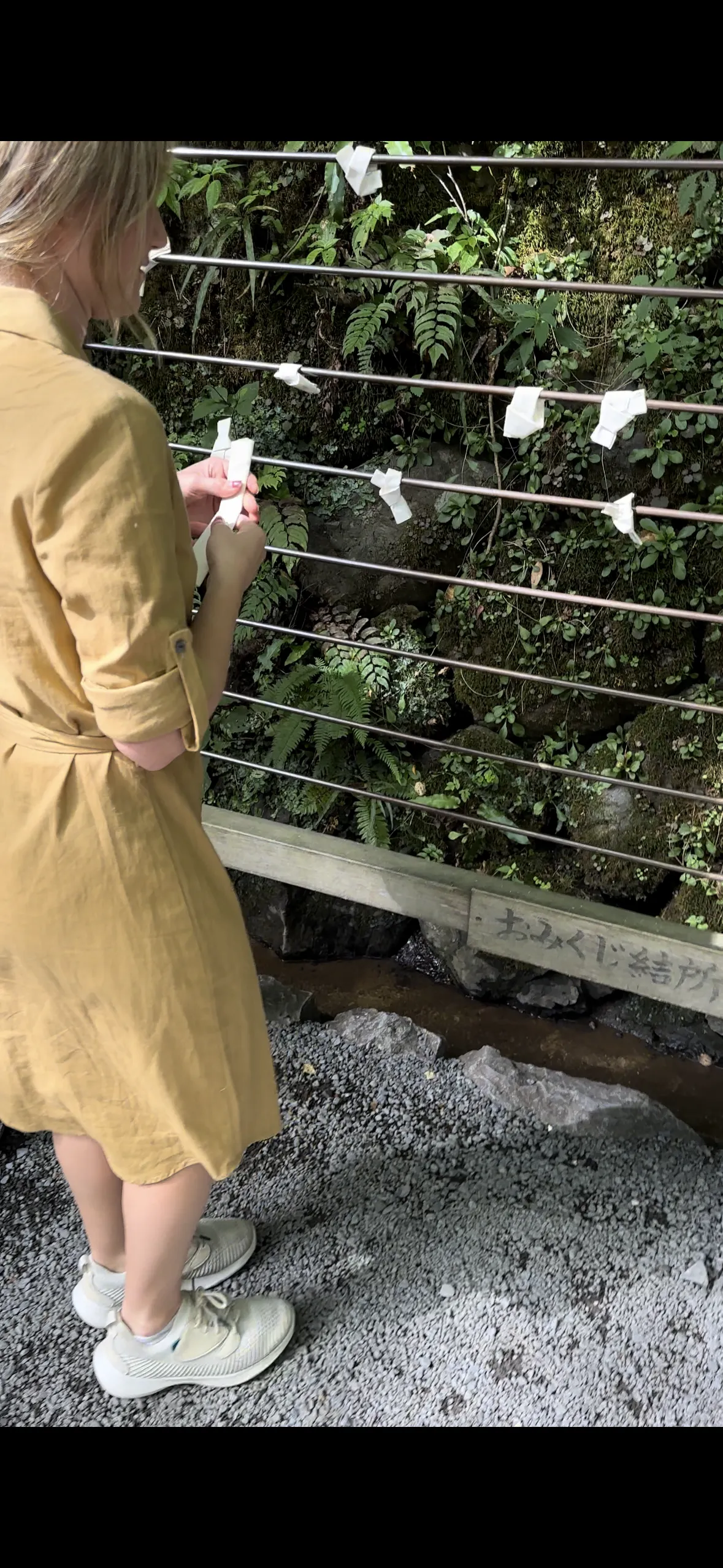
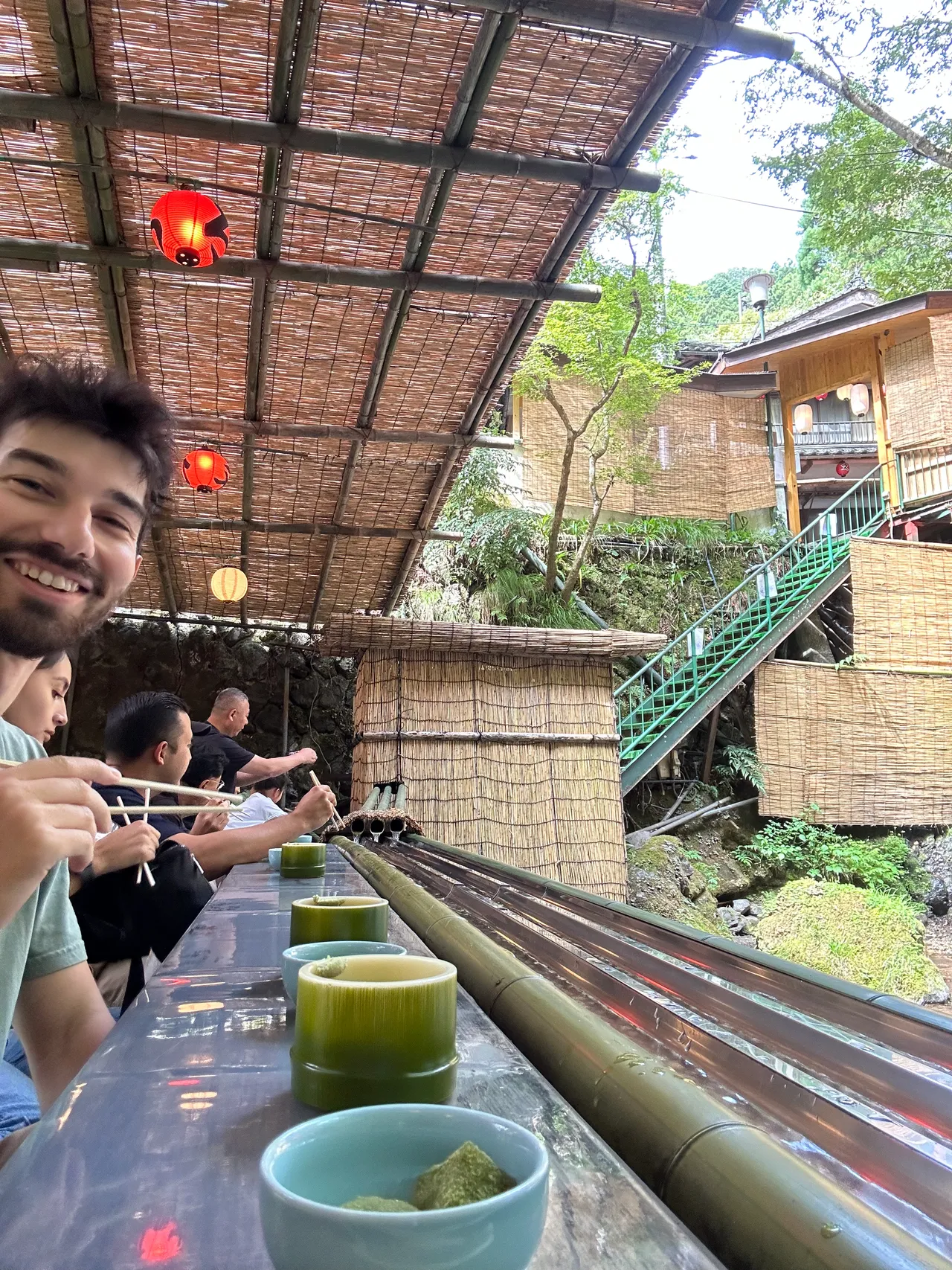
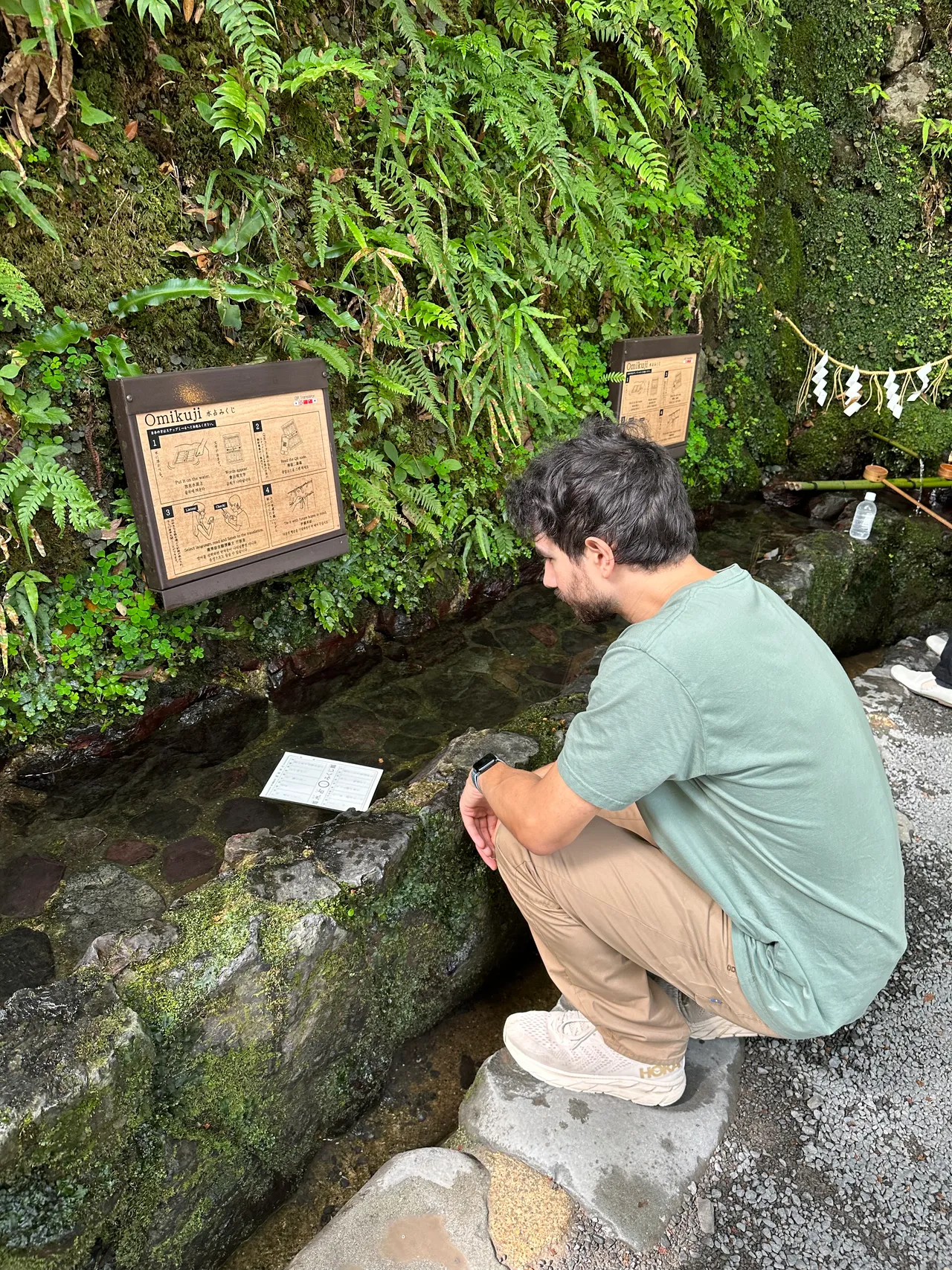
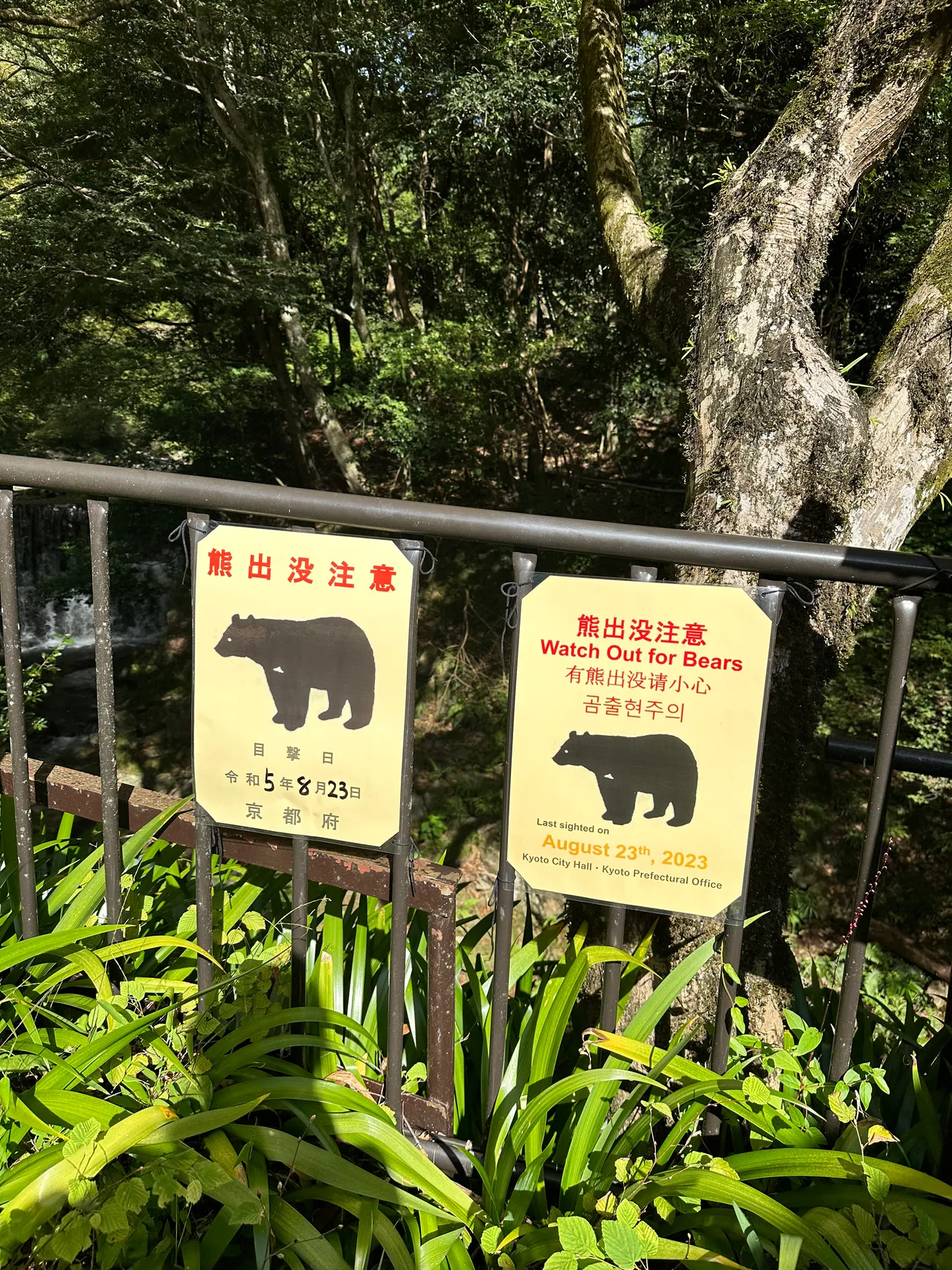
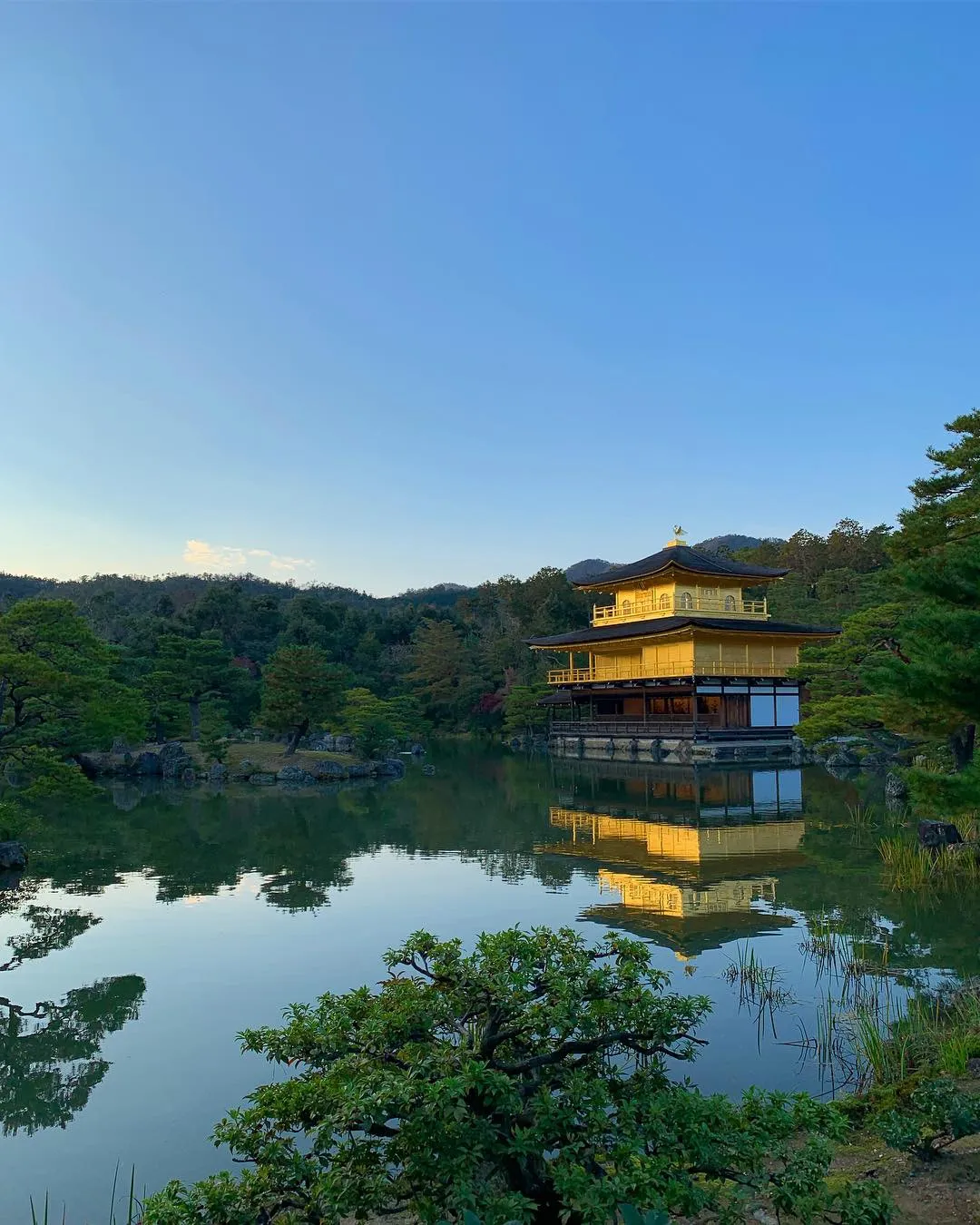
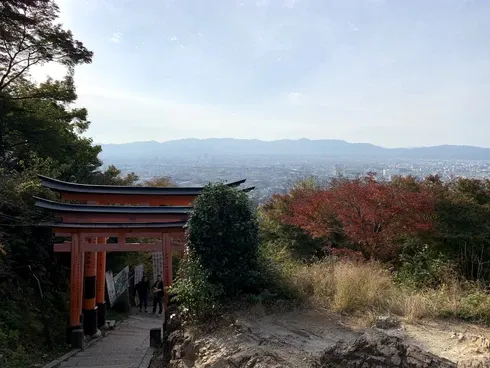
Kyoto is the former capital of Japan, and there are a lot of interesting historical and cultural activities to do here. You can do the Arashiyama bamboo forest, monkey park, traditional tofu houses, nagashi somen (flowing noodles), and all the things.
Osaka
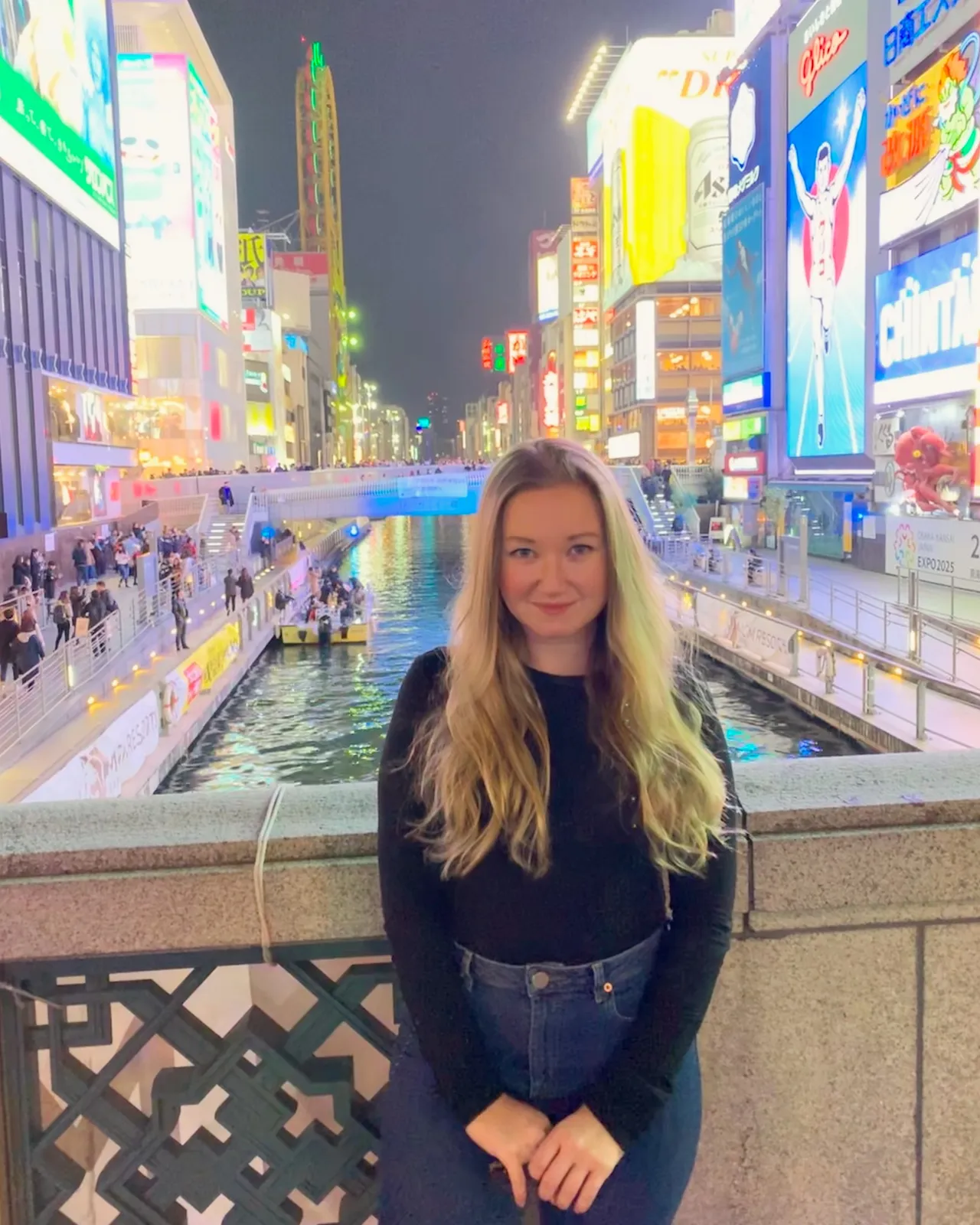
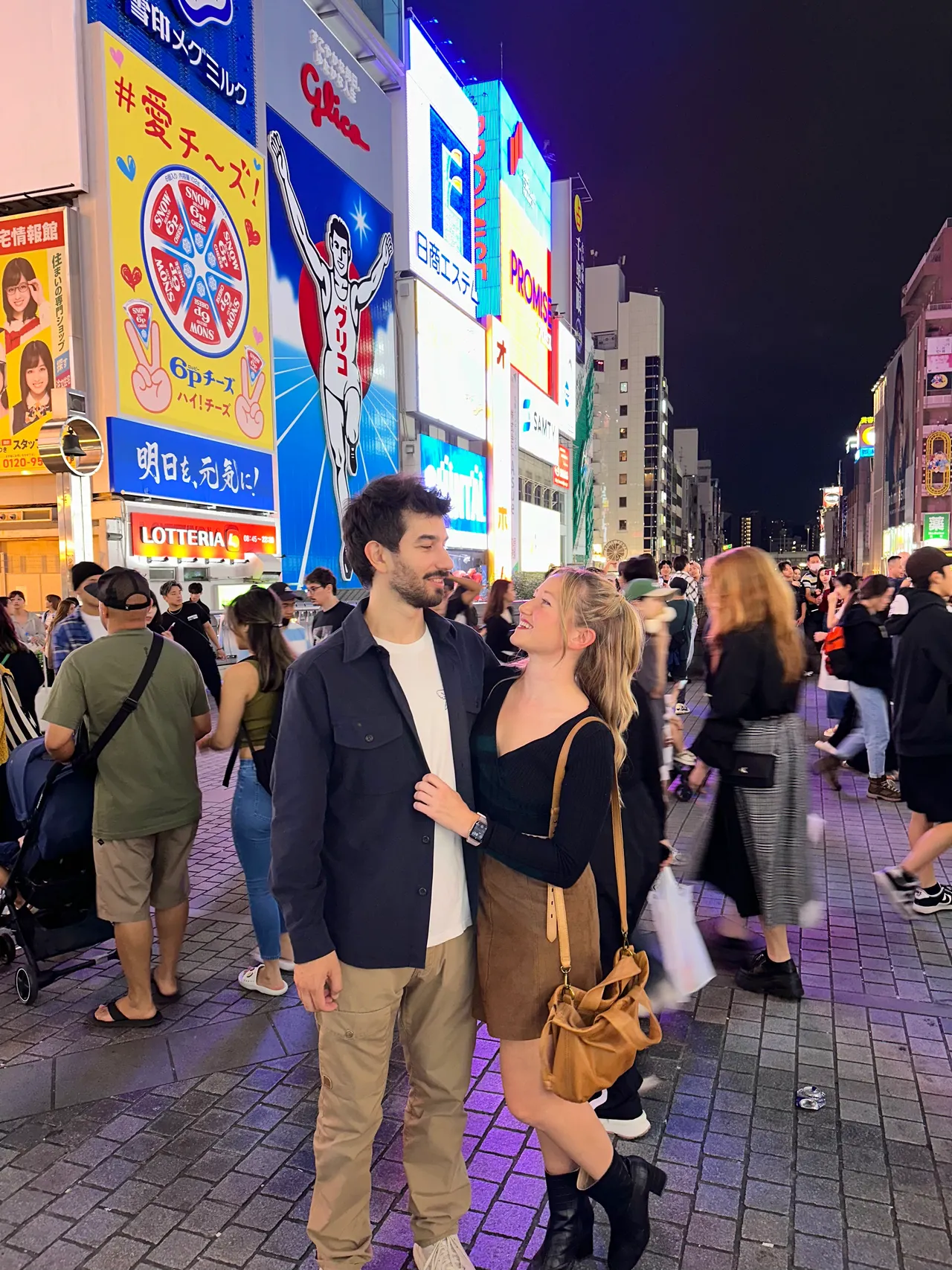
I love Osaka because it's such a bright, happening city. There are tourists, but not as many as Tokyo or Kyoto. The buildings offer a dystopian feel, but the city is full of life.
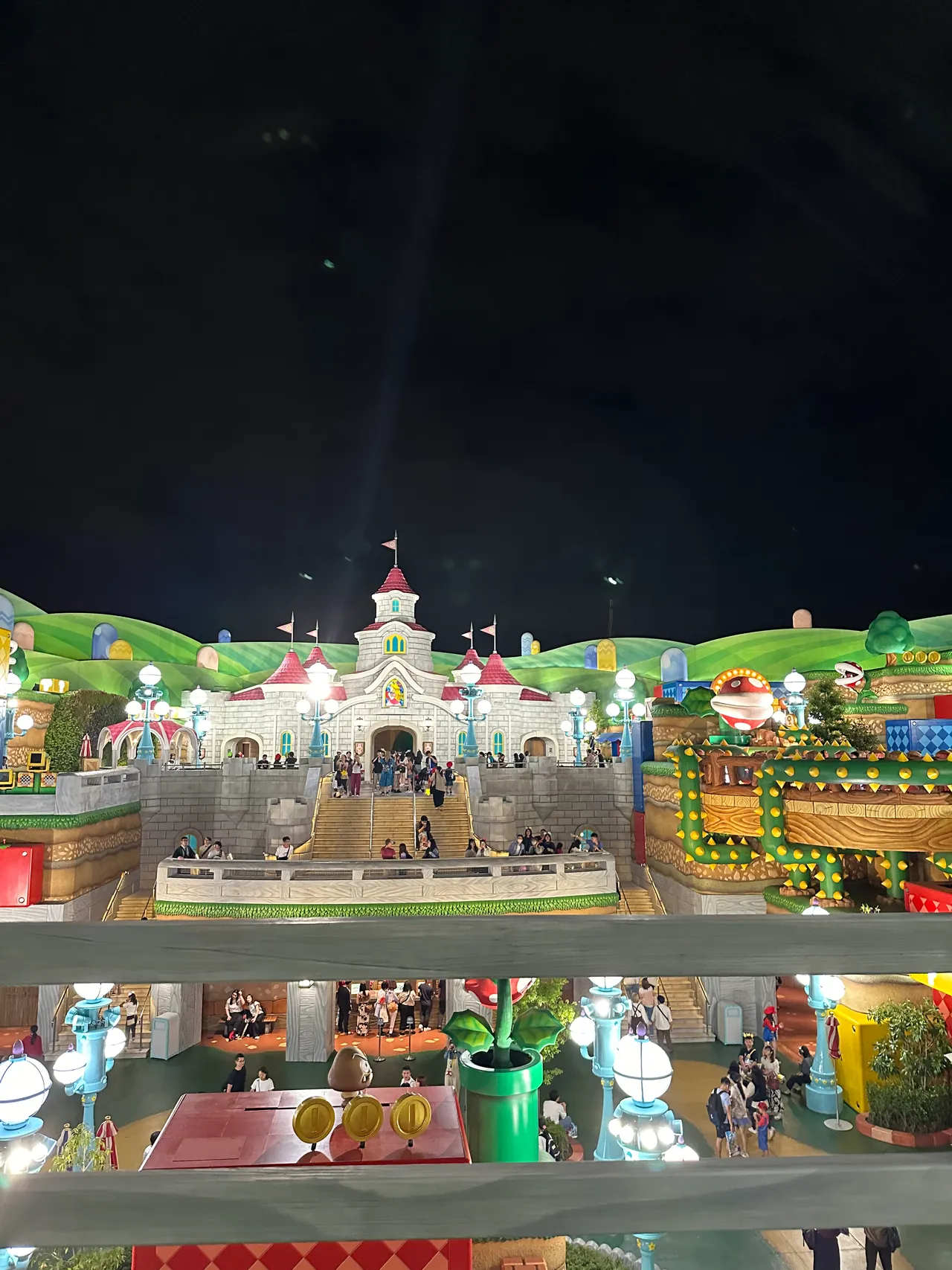
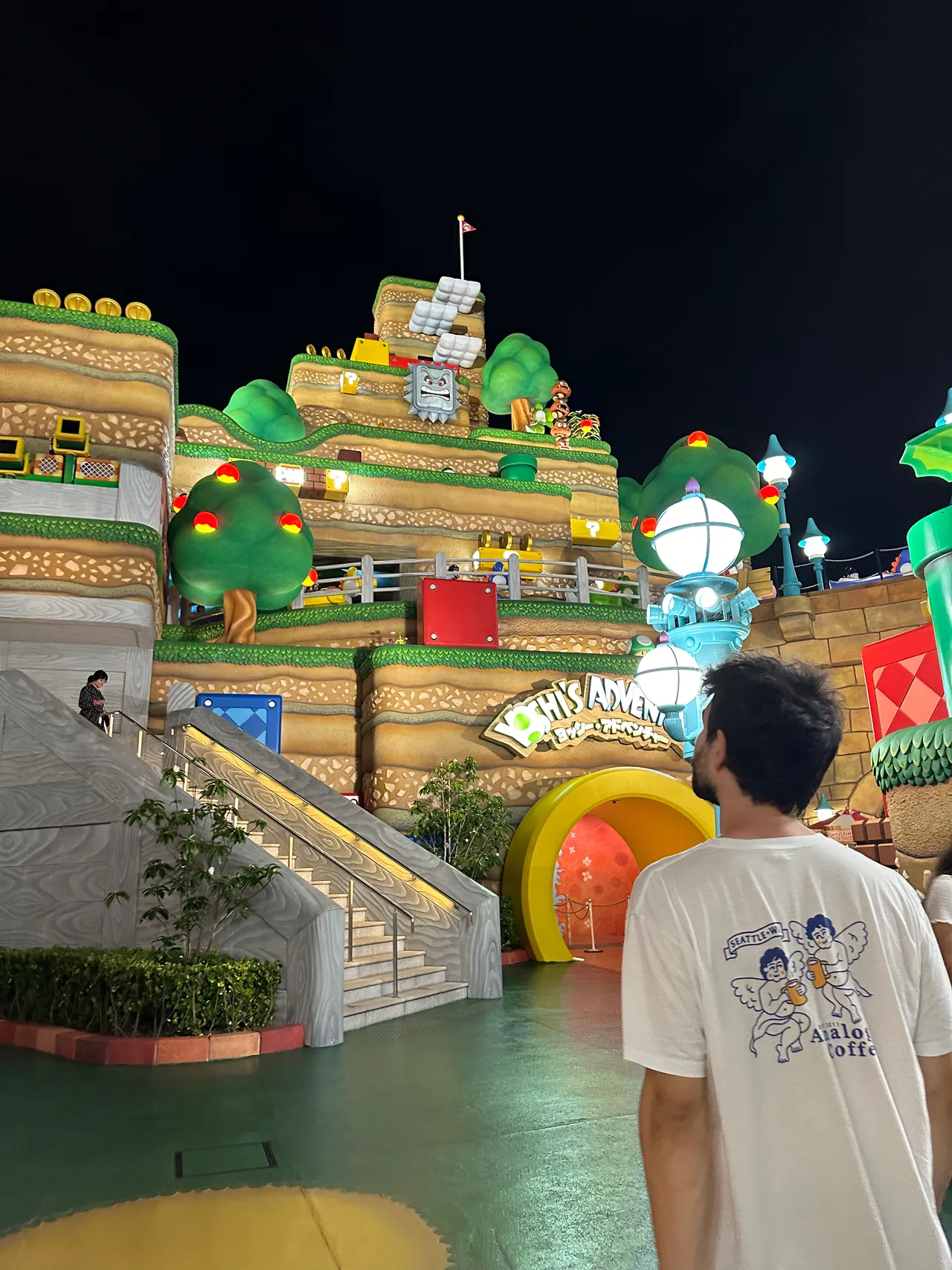
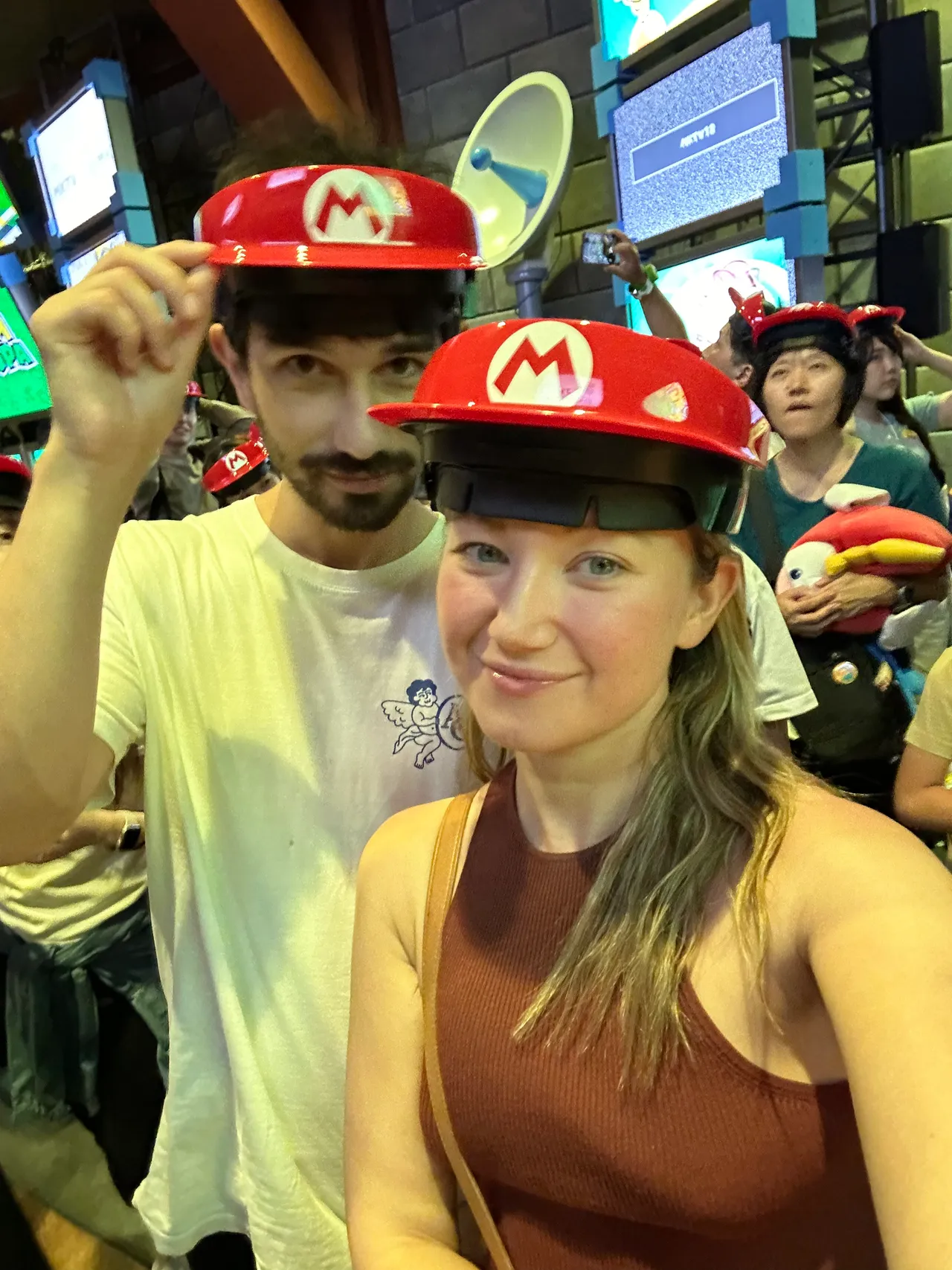
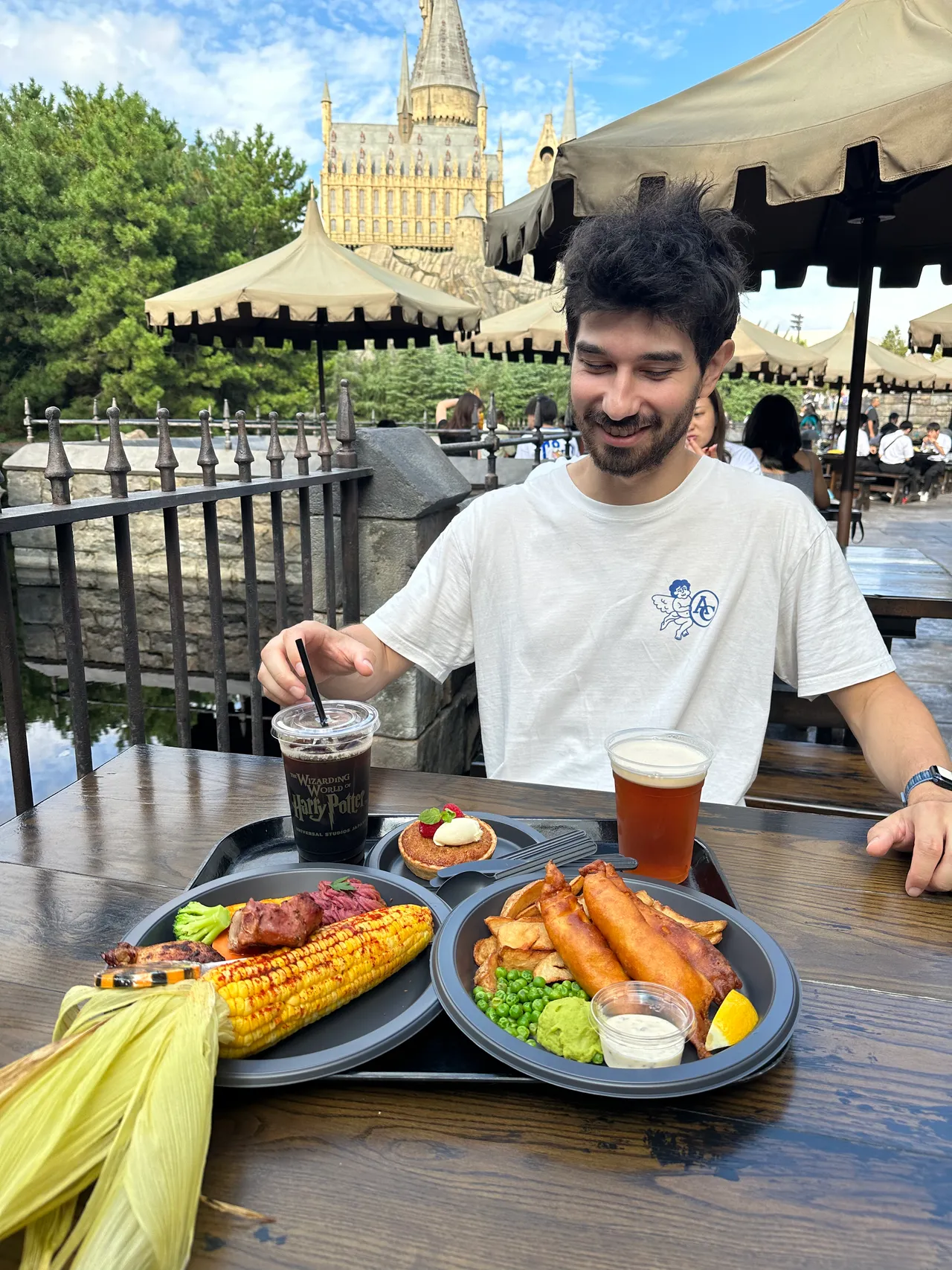
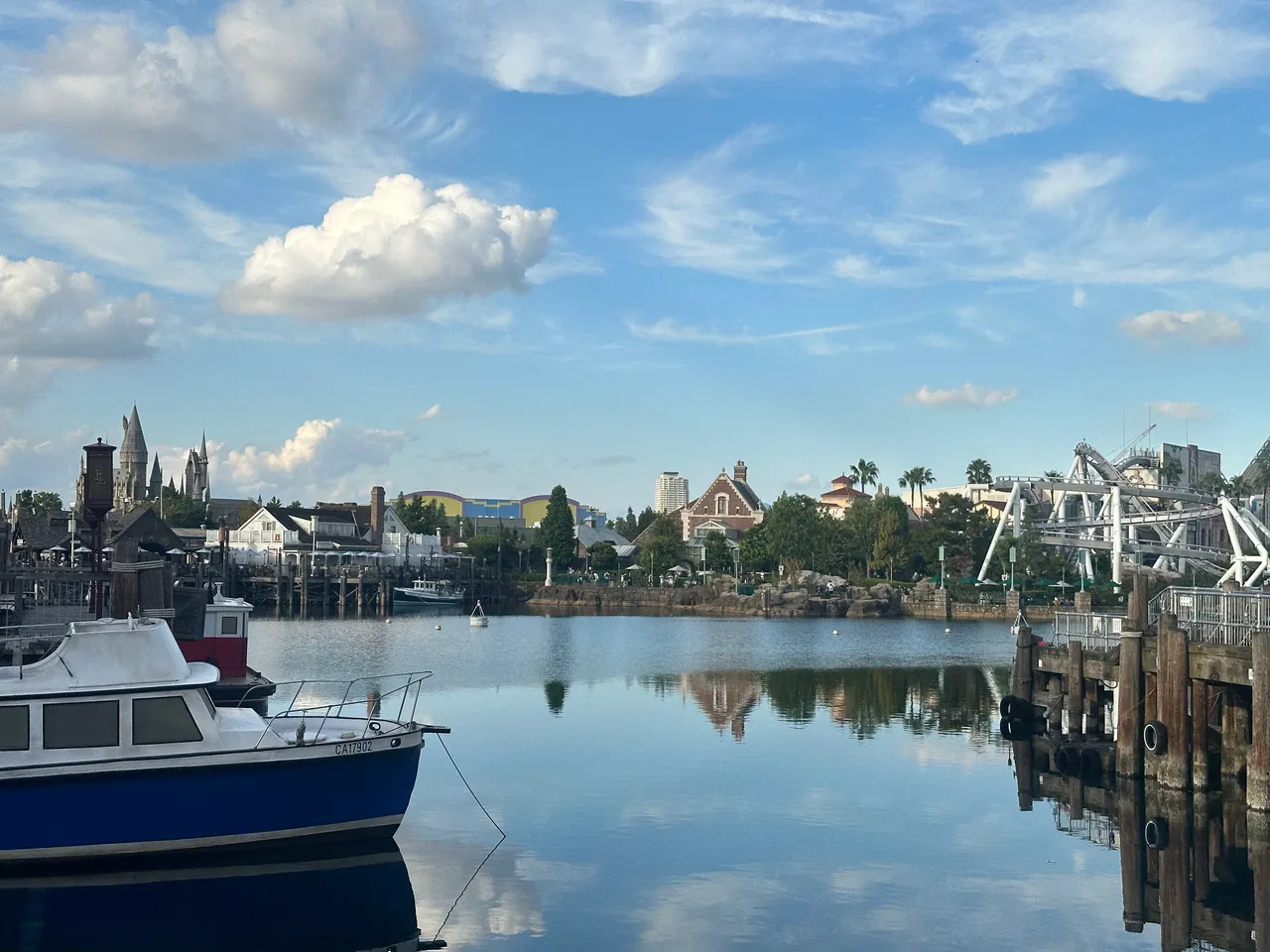
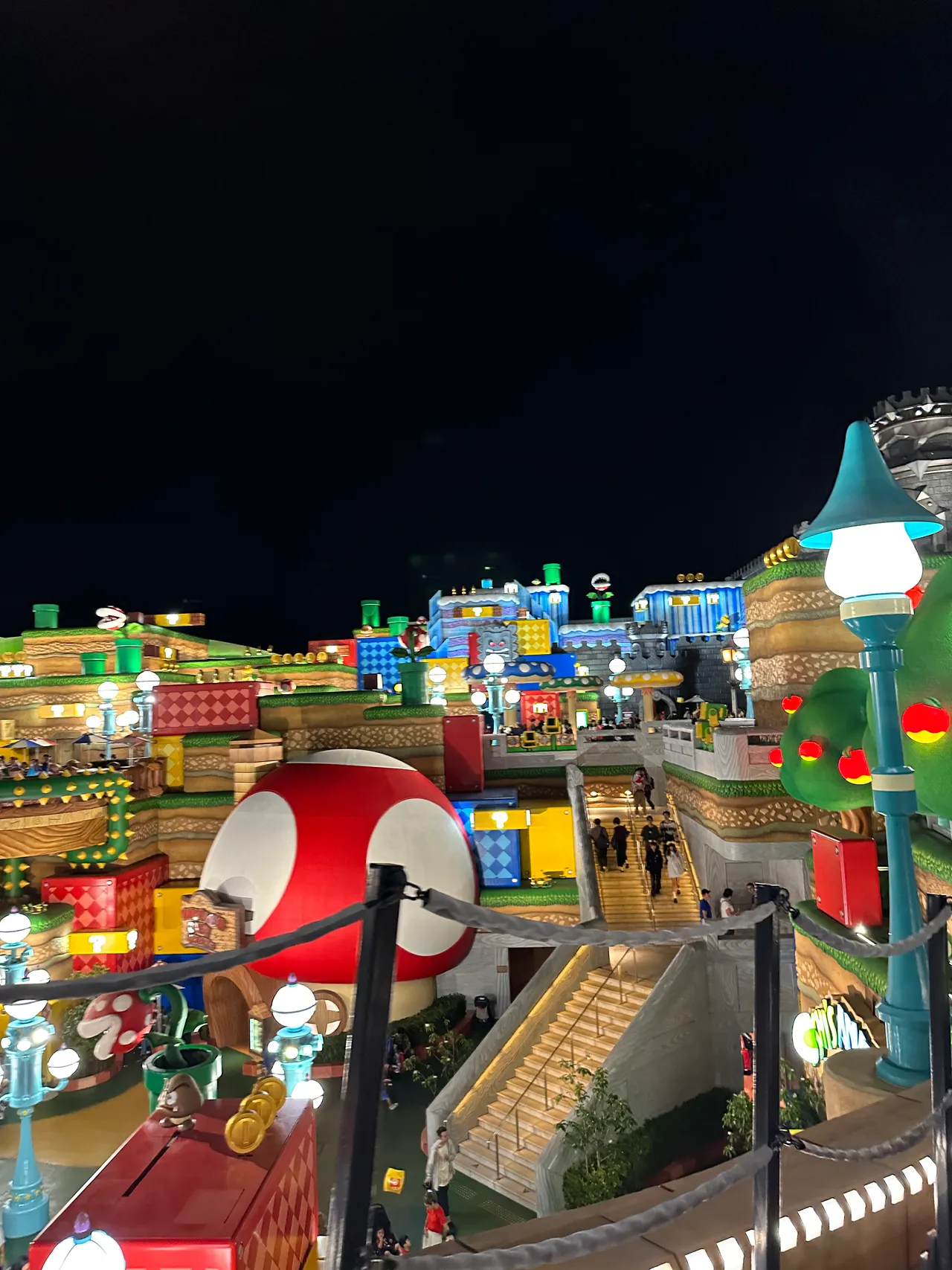
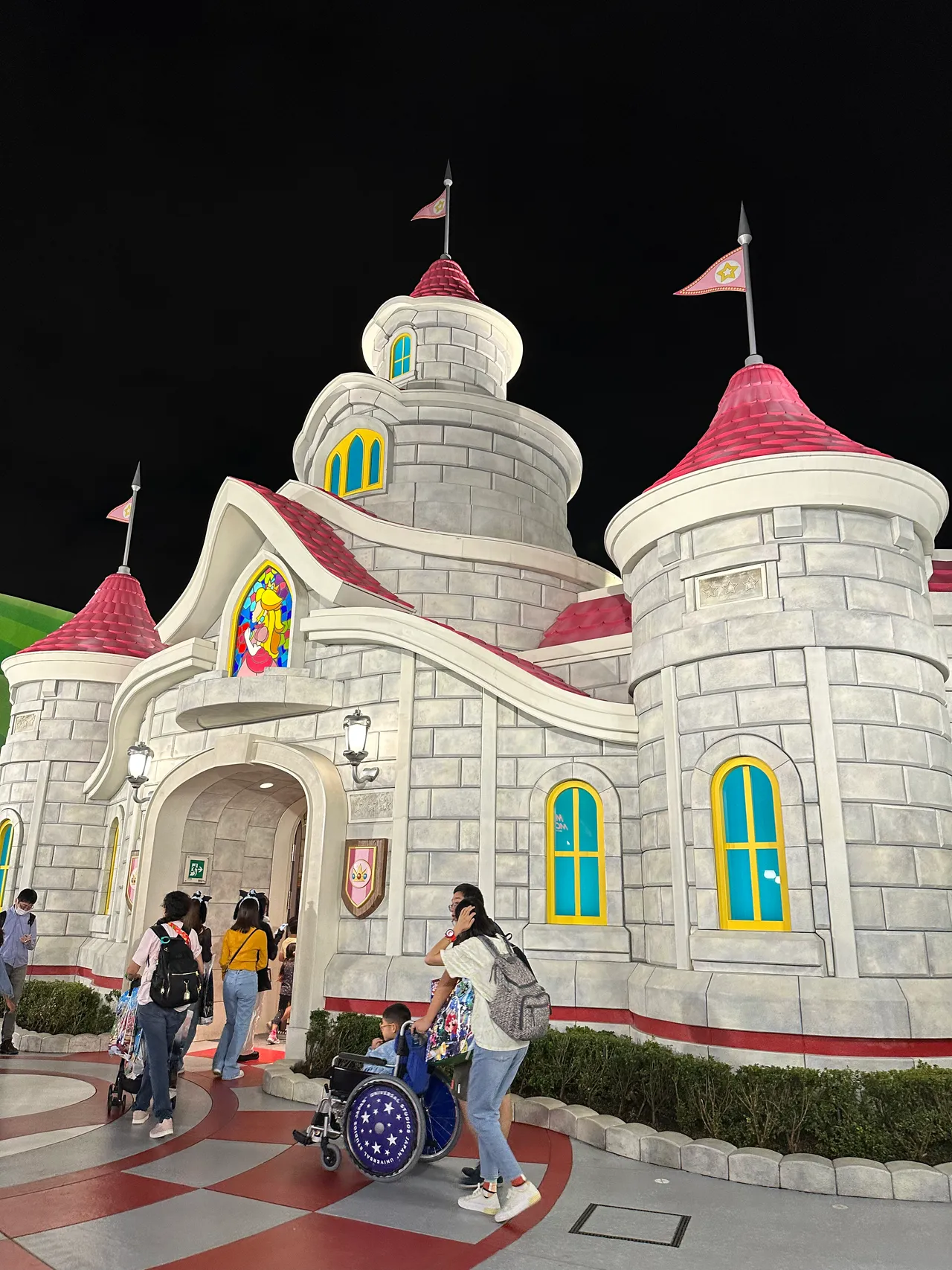
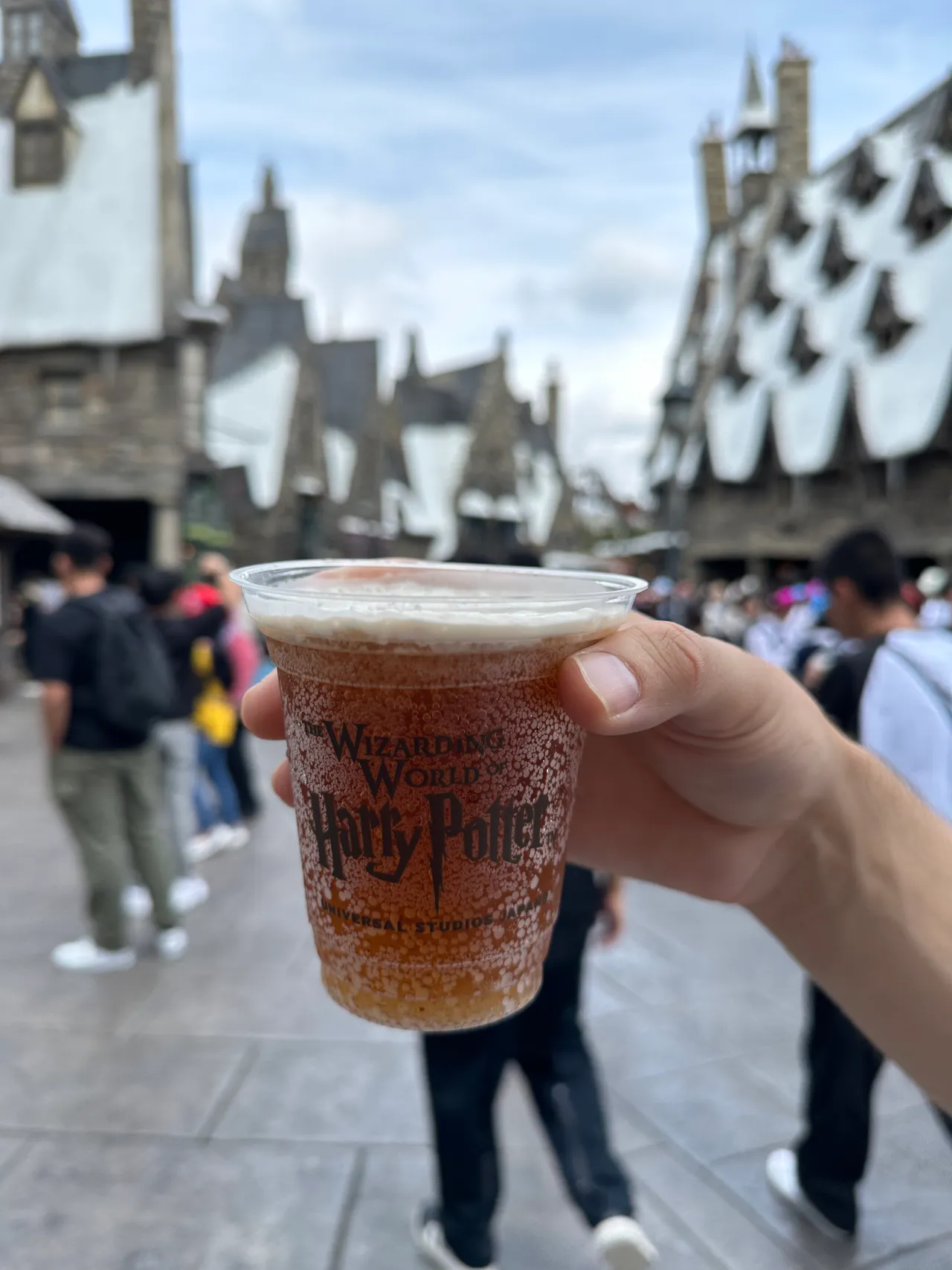
While you're here you can also go to Universal Studios! They have a Harry Potter world here and Super Nintendo World.
Tokyo
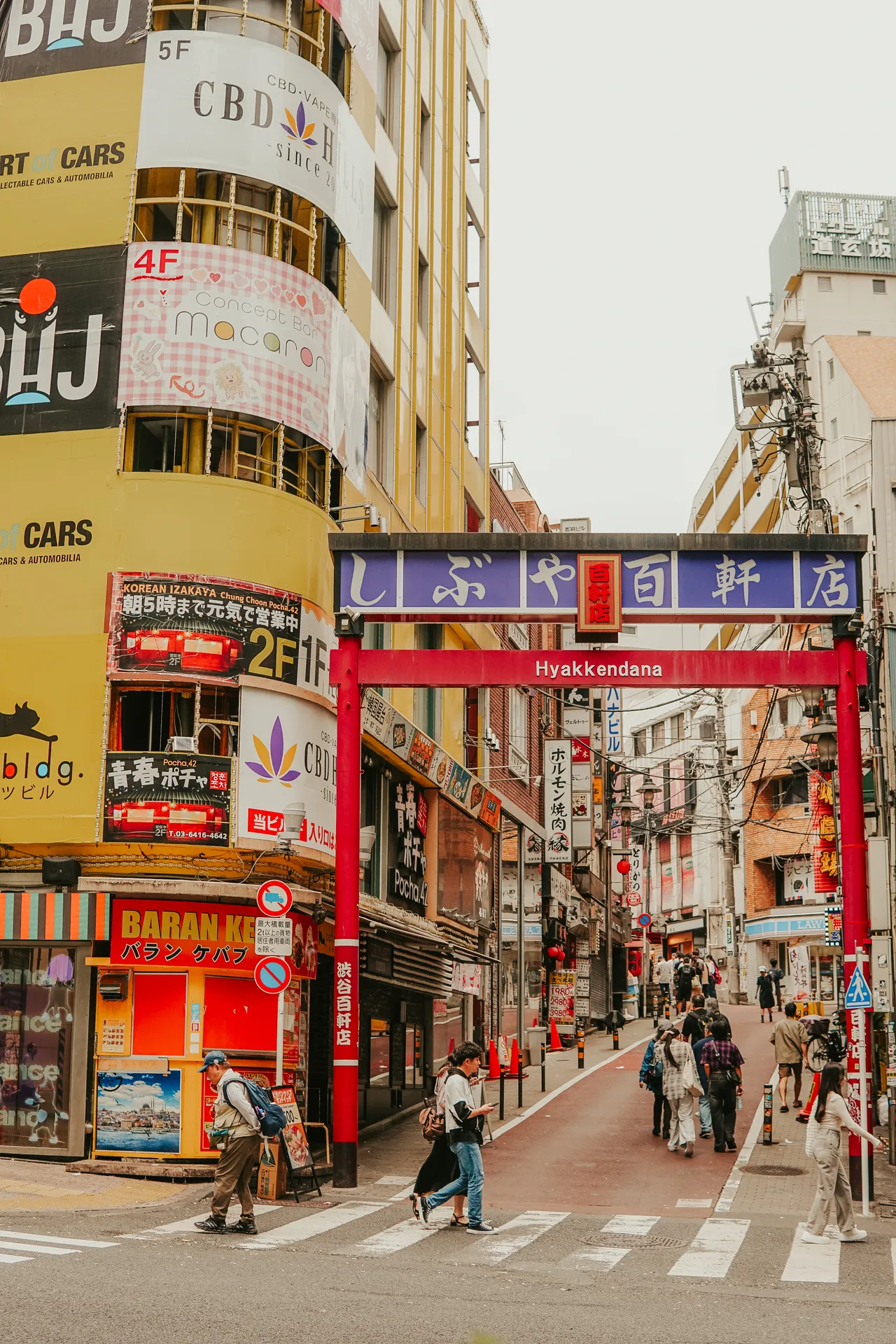
Tokyo is an incredibly fun city. I've always loved big cities (New York City, rome, and Barcelona are some other favorites of mine!) so I don't think I could ever get bored in Tokyo. I would definitely live here someday. There's always some delicious food to eat, specialty matcha or coffee to try, cheap museums to dive into, and shopping to do! Cafe Mameya was so cool and we loved the coffee experience there. There's no shortage of amazing espresso in this city, so explore and enjoy!
If you plan enough in advance, you should check out the Studio Ghibli museum; it was a highlight on my trip last year.
From Kyoto, you can do a half-day in Nara and a half (or full) day in Osaka. From Tokyo, there are several day trips, but I would suggest Yokohama for an easy one; it's especially great for families. In Hakone, you can try to see Mt. Fugi if it's nice out by going along the Hakone Ropeway/Cable-car to the lake. To be honest, without the view of Fuji, it's not as worthwhile to visit that lake. There is an amusement park that we stayed near, but time seems better spent in Tokyo or other major cities.
Hiroshima
Step 2: Plan Things to Do
After I select the cities, I plan out exactly what I want to do/see in that city. If I can fit enough into the same days and have remaining days, I will explore the possibility of day trips. I am a fan of planning out every hour, but I don't hold myself strictly to the schedule, and I deviate from it quite frequently. You spend lots of money and earn time off to travel, so it makes sense not to waste it on planning, which is something you can do from your couch at home.
Budgeting and What to Expect
Japan is neither expensive nor cheap. Sure, there are ways to budget and save money, but it is much more costly than other Asian countries (e.g., Thailand, Vietnam, etc.). Their economy does not depend on tourists.. Japanese people already tour their own country a lot, so they don't need tourism as a main industry for their economy to be strong, so you won't see them trying to over-accommodate you or rip you off. The Japanese people are respectful and mindful, sometimes curious, that's one of my favorite things about their culture. I've also found the people to be kind and helpful. I was lost at one of the train stations with my boyfriend, and an older Japanese man stopped to help us figure out where to go so we wouldn't miss our train. He even walked us to the platform!
Unexpectedly, the food and sightseeing can be quite affordable in Japan. The sushi was also incredibly cheap, you could get several rolls and sake for two people for under $15. For most breakfasts, we either ate at the included breakfast for our stay, or we grabbed snacks at the 7-Elevens and hot coffees to-go in the street vending machines. Most of my money was going towards transportation and accommodations.
Cost Breakdown
Total Budget: ~$3000
- Flight: $1000-$1200 - This will depend on where you're flying from. If you have travel rewards points, use them here!
- Accommodations: $600-$1200 - This will go down if you're splitting with others and book early. Also, if you're flexible, the capsule hotels are extremely affordable in Tokyo. If you're looking to splurge, try the Ryokans, but the best ones will be expensive (but worth it in my opinion)
- Food: $300-$400- This depends on your food preferences, but I tend to like to eat out a lot and try all the kinds of foods and get drinks, etc., so my cost could easily be a lot more than yours. If you're planning on Michelin star restaurants, then this budget would increase a lot, of course.
- Transportation: $400 - This is assuming you're buying the JR Pass (to ride the futuristic Shinkansens/bullet trains) and Subway rides throughout the trip. Many of the subway rides are very cheap, but after so many, they do add up!
- Other: $350 - I would say it's safe to budget a lot for extra activities. Many of the sites, like temples, gardens, and museums, are only a few yen ($3) to visit. However, you'll want to budget for some of the more expensive sites (e.g., Hakone Cablecar, Tokyo Skytree, Robot Restaurant, etc.). I tend to buy lots of souvenirs, but if you're stuck on what to buy while you're there, then just wait until you get to the airport. They have a perfect collection of gifts available at decent prices (e.g., Sake, Mochi, Desserts, Kimonos, T-Shirts, etc.)
TIPS
- Research, Research, & More Research: I'd love to say I know everything there is to know about traveling to Japan, but I don't! I recommend starting at /r/JapanTravel on Reddit. They have a ton of organized information, and you are encouraged to ask for help or submit your itinerary for community review/suggestions. I would start there, and as you select the places you want to go, research things to do, and start documenting and prioritizing what interests you. Good luck, and feel free to ask me any questions in the comments!
- eSiM - these are the best way to stay connected while you travel, and they're pretty affordable. They're digital SIM cards that allow you to have data plans while you're abroad.
- Learn the Basic Phrases - Contrary to what you may believe, English is not spoken everywhere in Japan. You'll just need to know a few words to get by: Arigato, Sumimasen, & Kon'nichiwa. At most, you can point to the items you want in restaurants and learn how to use the yen (just move over two decimal points to the left, and that's roughly how much the cost is in USD).
- Pocari Sweat - This electrolyte drink is popular in Asia. It's their version of Gatorade, but better! You can get them at almost any street vending machine, and they help to keep you hydrated and feeling good after 30K-step days! Long flights and jet lag can disrupt your body, so make sure to be replenishing with Pocari Sweat every day or at least bring some liquid IV and drink fluids!
- Use the Coin Lockers on Travel Days - I was hesitant about planning for these because I couldn't find a lot of information on them before our trip. It turns out there are TONS of lockers at many of the stations. At the lesser-known ones, there are still a decent number of them. If you're using a 40L backpack, you can fit it in the medium lockers or two of your bags in the larger lockers. They go back pretty deep. Outside some of the stations (e.g., Hakone-Yumoto), there are coin locker shops where you can also put your bags for the day. Kyoto and Tokyo stations had dozens and dozens of lockers, but try to arrive early so you don't have to stress about finding one. For the most part, you will have no issue finding a locker, but these are great, so you can do day trips between travel days and not have to carry your bag around! Expect to see these at most stations, We used them at places like Yokohama, Hakone-Yumoto, Kyoto, Osaka, and Tokyo stations.
- Jet Lag: I've traveled to Asia for work several times now, and the only way I can quickly recover from jet lag is to get myself onto the new timezone as fast as I can, so no sleeping in and going to bed at the correct time. I also recommend liquid IV on the plane to hydrate, melatonin (it may not be allowed in Japan, but I didn't have issues with it in my checked bag), and to be out in the sunlight (if possible) and walking around the next day. It helps to adjust to the circadian rhythm, so if you can do a light hike or city park walk where you get some sunshine, that is perfect!